
Is Your Chimney Safe? 5 Signs You Need Immediate Repair
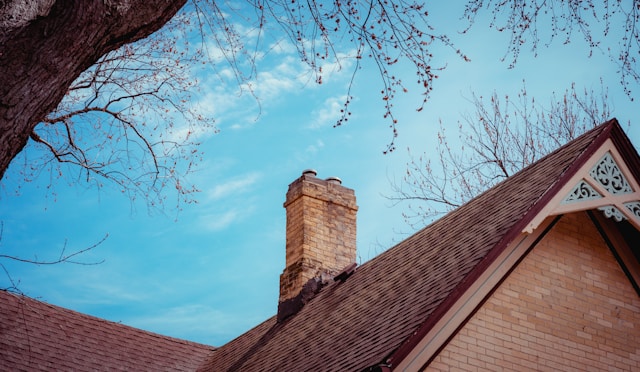
Whether you live in a historic triple-decker near Gallivan Blvd or a single-family home in the heart of Dorchester, your chimney is one of the most hardworking—and often neglected—parts of your house. In our coastal neighborhood, the combination of salt air, heavy Nor’easters, and the relentless New England freeze-thaw cycle can turn a small crack into a structural disaster.
If you haven’t had an inspection recently, your home could be at risk. Here are five unmistakable signs that you need to call for chimney repair in Dorchester, MA, before the next big storm hits.
1. White Powdery Stains (Efflorescence)
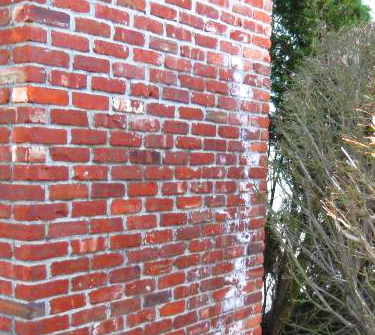
If you’ve noticed a white, chalky substance on your chimney’s exterior bricks, you’re looking at efflorescence. This isn’t just a cosmetic stain; it is a “crying” chimney.
- The Cause: Moisture is seeping into the masonry and dissolving the natural salts within the brick. As the water evaporates, it leaves the salt behind.
- The Dorchester Factor: Being so close to the Neponset River and the coast, the high humidity in Dorchester accelerates this process, indicating a hidden chimney leak in Dorchester that needs sealing.
2. Spalling or Crumbling Brick
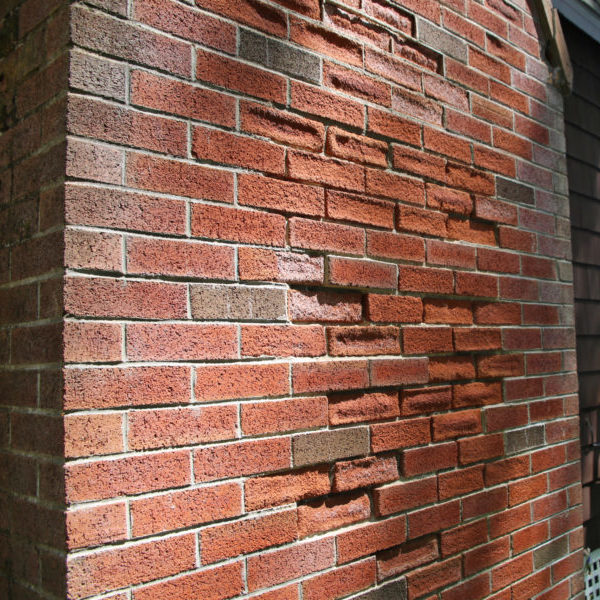
Check the ground around your chimney or on your roof. Do you see “flakes” or chunks of red brick? This is known as spalling or crumbling brick.
In Dorchester’s climate, water enters the porous brick, freezes, and expands. This internal pressure eventually pops the face of the brick right off. Once the hard outer shell is gone, the soft interior of the brick absorbs even more water, leading to rapid structural failure.
3. Shaling: Seeing “Tiles” in the Firebox
Look inside your fireplace. If you see thin, sliced bits of stone or tile accumulating at the bottom, your chimney liner is “shaling.”
| Component | Why It Matters |
| Flue Liner | Protects your house walls from heat and toxic gases. |
| Damage Sign | Shaling (thin layers of the liner falling off). |
| The Fix | Professional flue liner repair or a stainless steel relining. |
Warning: A damaged liner is a leading cause of carbon monoxide leaks and house fires. If you see shaling, do not use your fireplace until it is inspected.
4. Rusted Damper or Metal Hardware
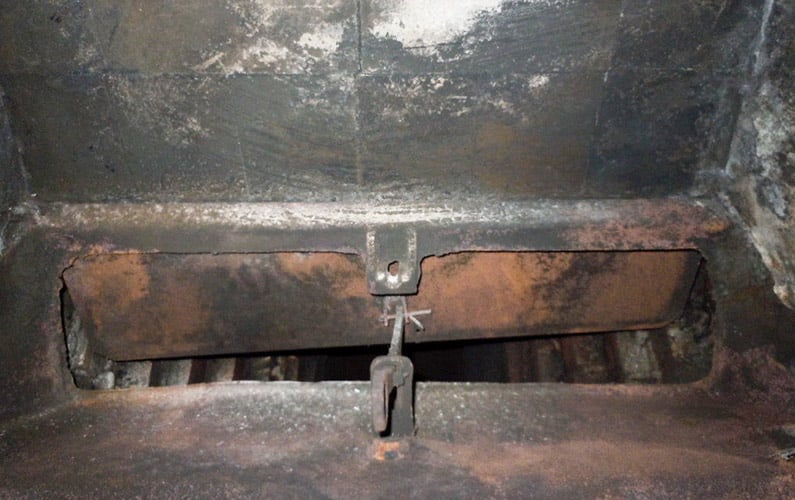
Rust is a “smoking gun” for a chimney leak. If your damper is hard to move or you see rust on your firebox floor, water is entering your system from the top.
In the 02122 area, the salt air can make metal components corrode even faster. If your damper is rusting, your chimney crown or flashing is likely failing, allowing water to rot your floorboards and foster mold growth behind your walls.
5. Cracked or Deteriorating Chimney Crown
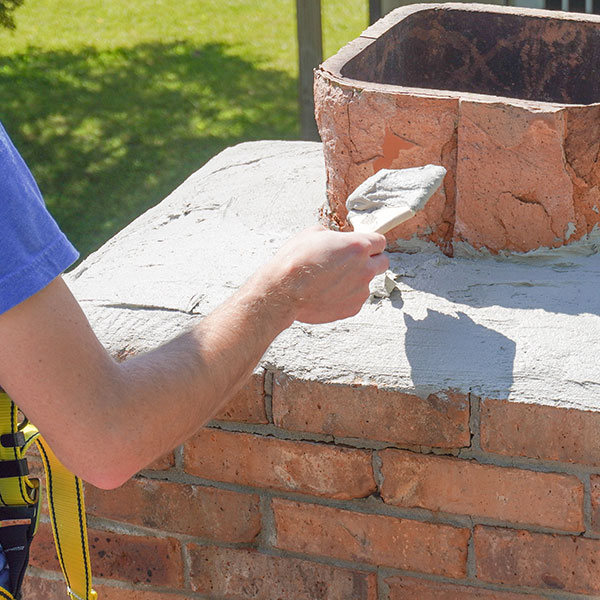
The “crown” is the concrete slab at the very top of your chimney. Because it’s hard to see from the street, most homeowners don’t realize it’s cracked until water is already dripping into the house.
- Hairline cracks: Can often be sealed with a waterproof membrane.
- Deep cracks: Usually require a full crown rebuild to prevent the entire chimney stack from leaning or collapsing.
Why Local Dorchester Expertise Matters
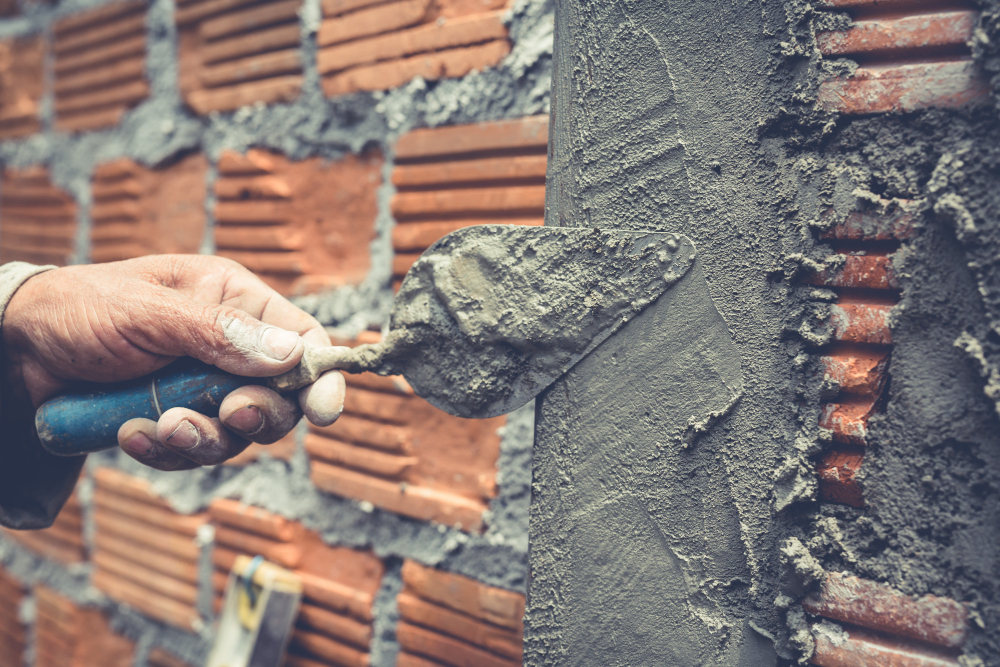
Homes in the Gallivan Blvd and Neponset areas have unique architectural needs. Many older Dorchester homes require specific “lime-based” mortars rather than modern Portland cement to prevent the bricks from cracking further. Choosing a specialist in chimney repair in Dorchester, MA, ensures your home’s historic integrity is preserved while keeping it safe for the winter.
Pro-Tip: Check your flashing (the metal where the chimney meets the roof) after a heavy windstorm. In Dorchester, wind-driven rain is the #1 cause of interior ceiling leaks near fireplaces.
Is your chimney ready for the next Nor’easter?
Don’t wait until you smell smoke in the living room or see water stains on the ceiling. Addressing these five signs early can save you thousands in restoration costs.