
What is Repointing and Why Do Historic Homes Need It?
Walking through the streets of Ashmont, Adams Village, or along Gallivan Blvd, it’s impossible not to admire the historic brickwork that defines Dorchester. From classic triple-deckers to century-old row houses, our neighborhood’s character is literally built into its walls.
However, those walls require specialized care. If you’ve noticed the mortar between your bricks turning to dust or falling out in chunks, you’re likely looking at a need for repointing brick. In this guide, we’ll explain why masonry restoration is the single most important maintenance task for a historic Dorchester home.
1. What Exactly is Repointing?
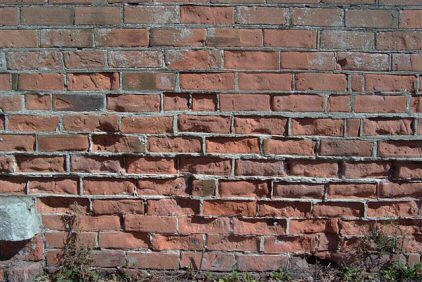
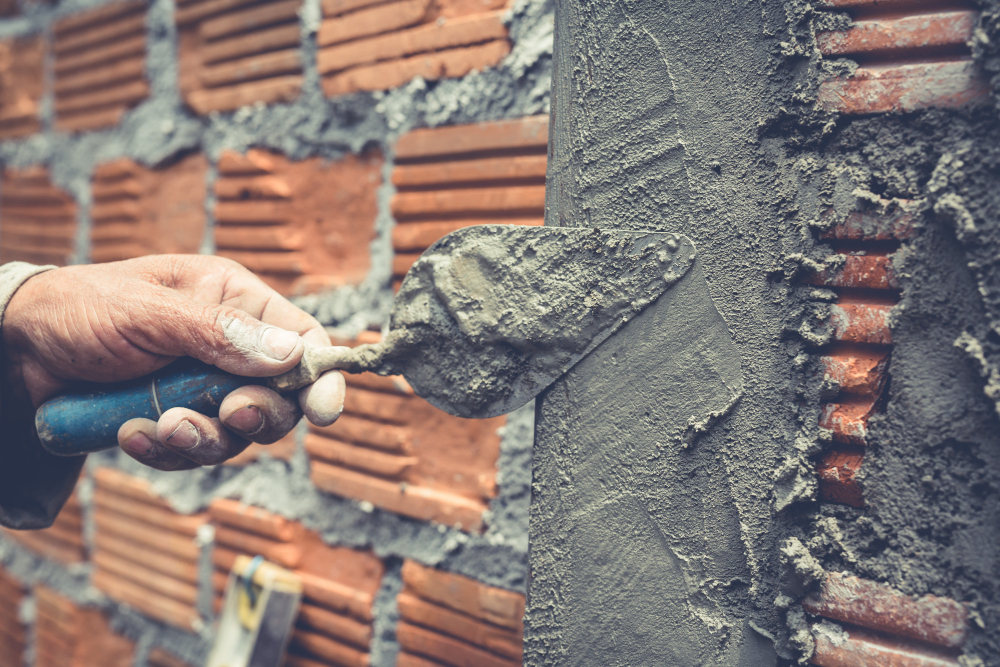
Repointing is the process of carefully removing deteriorated mortar from the joints of a brick wall and replacing it with fresh, compatible mortar.
Think of mortar as the “sacrificial” part of your wall. It is designed to be softer than the bricks so that as the house shifts or the temperature changes, the mortar takes the stress and cracks first. When the mortar reaches the end of its lifespan (usually every 50–70 years), it must be replaced to keep the structure watertight.
2. Repointing vs. Tuckpointing: What’s the Difference?
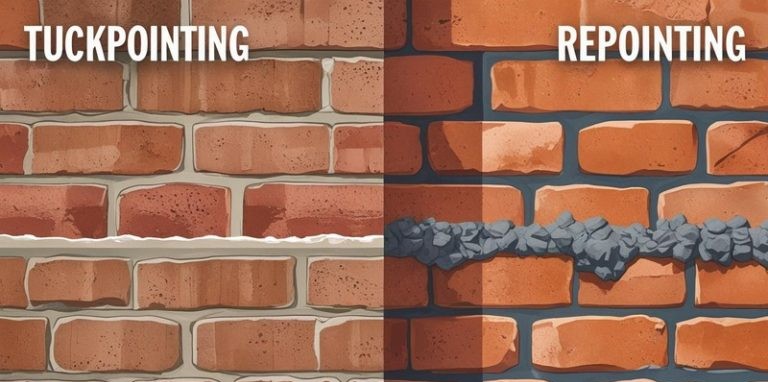
While often used interchangeably, these terms refer to different goals. In a historic neighborhood like Dorchester, knowing the difference can save you money and preserve your home’s value.
| Feature | Repointing | Tuckpointing |
| Primary Goal | Structural integrity & waterproofing. | Aesthetics & “High-end” look. |
| Process | Filling joints with one color of mortar. | Using two colors to create the illusion of thin joints. |
| Best For | Routine maintenance and restoration. | Restoring the precise look of Victorian-era “gauged” brick. |
3. The Dorchester Factor: Why “Modern” Mortar Can Kill Your Bricks
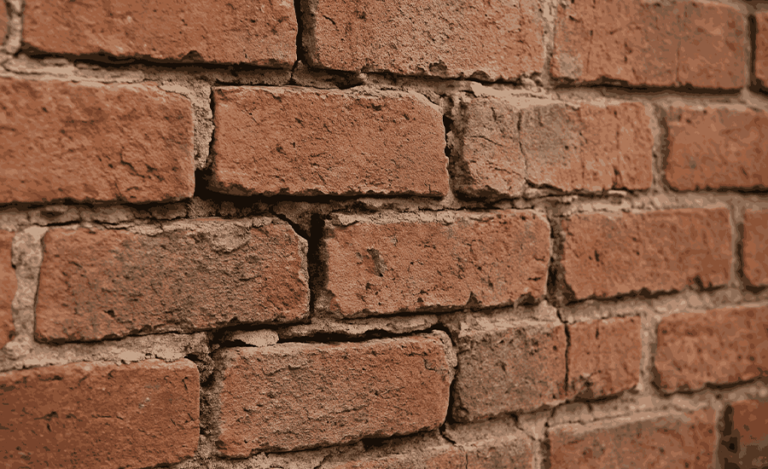
This is the most critical part of historic home repair in Dorchester. Many homes built before 1930 used lime-based mortar. Modern mortar (Portland cement) is incredibly hard and waterproof.
If a contractor uses modern cement on a historic Dorchester home:
- The Bricks Will Break: When the building breathes and moves, the hard cement won’t budge. Instead, the soft, historic bricks will crush against the cement and “spall” (the faces will pop off).
- Trapped Moisture: Modern cement doesn’t allow moisture to escape. In our humid coastal climate, that trapped water will freeze in the winter, expanding and destroying your wall from the inside out.
4. 4 Signs You Need Masonry Restoration Now
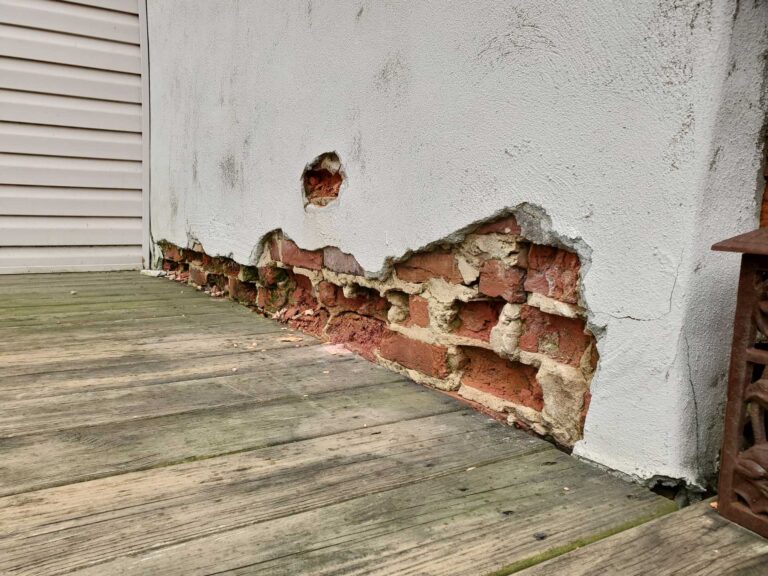
Check your home’s exterior for these red flags:
- Gaps and Holes: If you see “daylight” or deep recesses where mortar used to be, water is entering your wall.
- Powdery Mortar: Try scratching a joint with a key. If it crumbles into sand easily, the binding agent has failed.
- Loose Bricks: Bricks that move when touched are a sign of total mortar failure and a potential collapse hazard.
- Vegetation: If moss or small plants are growing in the joints, they are holding moisture against your bricks and their roots are actively pushing the wall apart.
Why Local Expertise Near 757 Gallivan Blvd Matters
Dorchester’s proximity to the salt air and our legendary Nor’easters means your masonry is under constant attack. A local specialist in masonry restoration understands the “ingredients” of your home’s original mortar and can match the color, texture, and—most importantly—the strength of the original materials.
Pro Tip: When hiring for historic home repair in Dorchester, always ask: “Will you be using a lime-based mortar or a Portland cement mix?” The answer will tell you if they truly understand historic preservation.